What your portfolio feels like and what it actually looks like are not always the same thing.
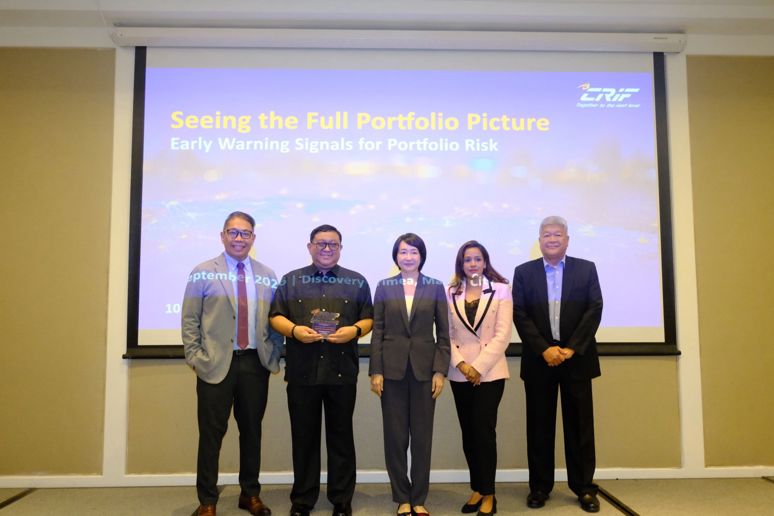
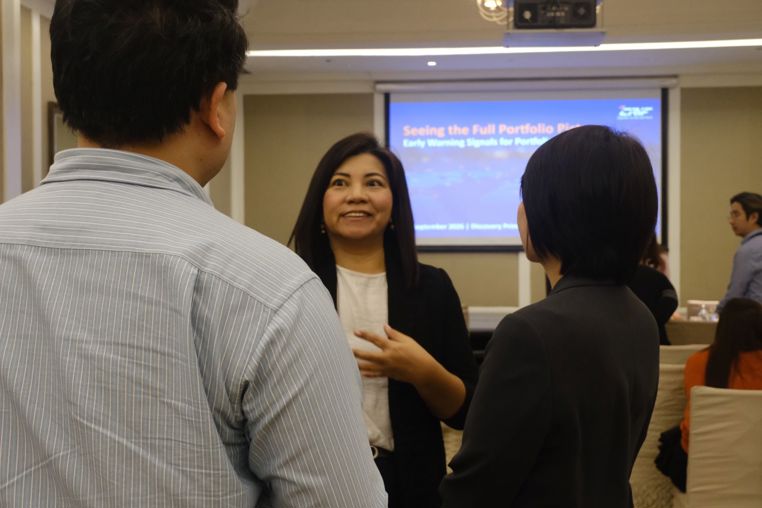
That theme set the stage for CRIF Philippines' executive forum, Seeing the Full Portfolio Picture: Early Warning Signals for Portfolio Risk, held on 10 September 2026 at Discovery Primea, Makati. Bringing together risk, credit, and finance leaders from banking, energy, and telecommunications, the event examined how businesses can identify emerging risks sooner and gain a clearer view of portfolio performance amid an increasingly complex economic environment.
Joey Donasco, Managing Director of CRIF Philippines, opened with that exact tension: a portfolio can feel healthy when delinquency looks stable and approvals hold steady, while the real picture, buried in payment patterns and workforce data, tells a different story. “A business may feel that its portfolio is healthy because delinquency looks stable, approvals are strong, or overall performance appears acceptable. But the real picture may be different, there may already be early changes in customer behavior, growing exposure in certain segments, concentration risks, or other signals that aren't obvious from traditional portfolio views”, said Joey Donasco.
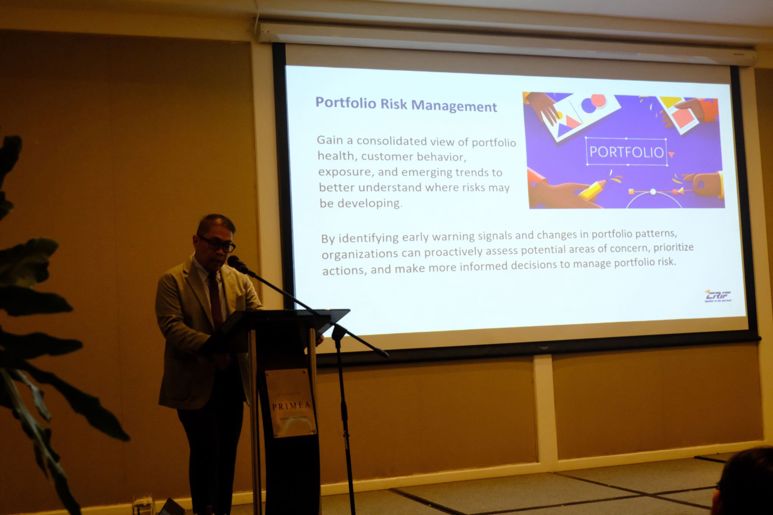
Jonathan Ravelas, Senior Adviser at Reyes Tacandong & Co., grounded the discussion in the broader economic forces shaping portfolio performance today. Drawing on his presentation, The Ripple Effect: Economy, Investment, and Inflation, he highlighted a global environment characterized by moderating growth, persistent inflationary pressures, and interest rates that are likely to remain higher for longer. He noted that geopolitical tensions, commodity price volatility, and supply-side disruptions continue to create ripple effects across economies, feeding through to inflation, borrowing costs, consumer spending, and business investment.
For the Philippines, these pressures are amplified by the country's dependence on imported energy, exposure to global trade flows, and sensitivity to external shocks. Ravelas emphasized that inflation remains one of the most important factors for businesses to watch, as it affects purchasing power, financing conditions, and overall economic activity. In this environment, organizations cannot rely solely on historical performance to assess risk. Instead, they must closely monitor emerging trends and leading indicators that may signal shifts in customer behavior, credit quality, or sector performance before they appear in financial results.
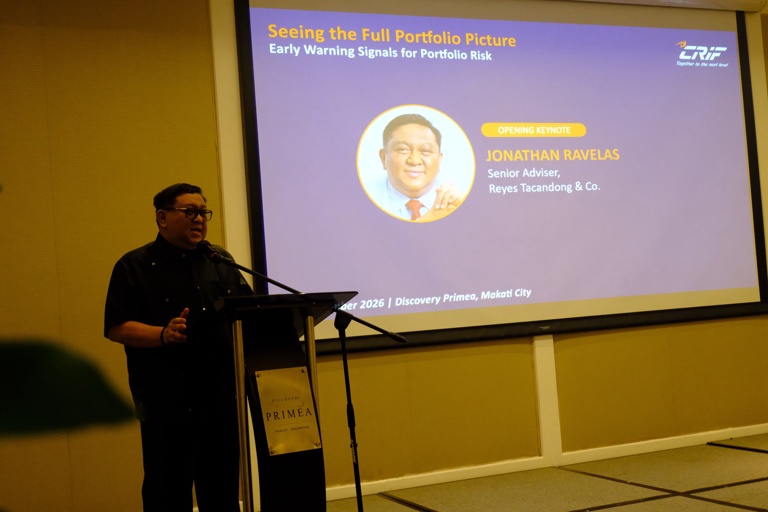
Building on these themes, Kavitha Subramanyam, Multicountry Sales Director at CRIF, demonstrated how alternative and predictive data signals can help organizations uncover portfolio vulnerabilities that traditional financial indicators may not immediately reveal.
Drawing on recent market observations, Subramanyam highlighted a decline in low-risk payment transactions from 65% in the first quarter of 2026 to 58% in the second quarter, with the construction sector showing the most significant deterioration. Long-term risk score trends reflected a similar pattern, while industry benchmarking showed that the shift was occurring across the broader market rather than within individual portfolios alone.
To help organizations gain earlier visibility into emerging risks, she introduced CRIF's Global Trade Risk Score (GTRS) and Human Capital Data solutions. These data sets provide insights into trade exposure, geographic concentration, business relationships, and workforce stability, helping organizations identify potential warning signs well before they become visible in conventional financial metrics.
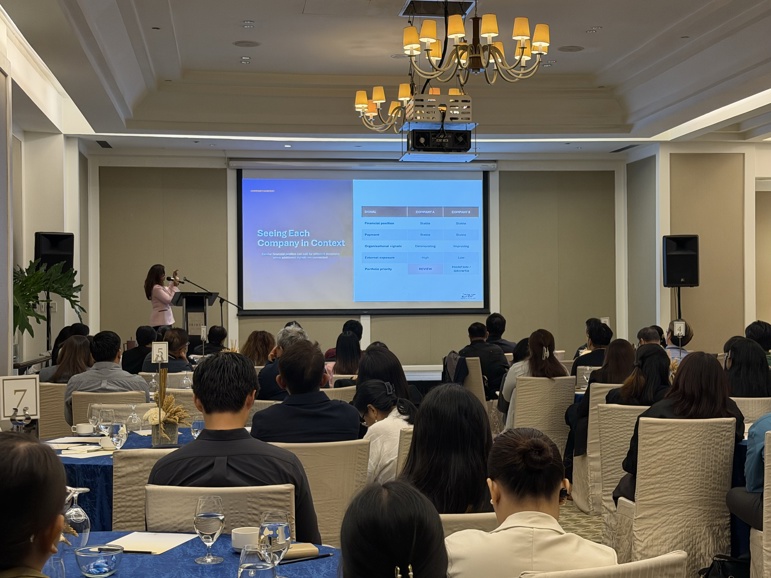
The takeaway for the room: seeing the full picture is not just about catching risk earlier, it is about knowing where to grow next.
Portfolio management is not just about mitigating risk, but also about unlocking growth opportunities. By combining portfolio data with broader market intelligence and alternative data, organizations can identify emerging risks sooner, anticipate change, and focus on the customers and sectors with the greatest potential.
In an increasingly dynamic market, the ability to turn data into actionable insight will be a key differentiator for long-term resilience and competitive advantage.
See the full picture of your portfolio. Contact us to explore how CRIF can help you make more informed, data-driven decisions: contact.ph@crif.com